
The Philippine Condo Market Has a Problem. But It May Also Have an Opportunity.
The condominium market in Metro Manila is not collapsing. It is recalibrating—and for the right buyer, that distinction matters.
There is a particular kind of anxiety that comes with seeing thousands of condominium units sitting unsold.
Walk through parts of Metro Manila and the skyline tells one story: tower after tower, gleaming glass, amenities, swimming pools, lobbies and balconies stretching toward the horizon.
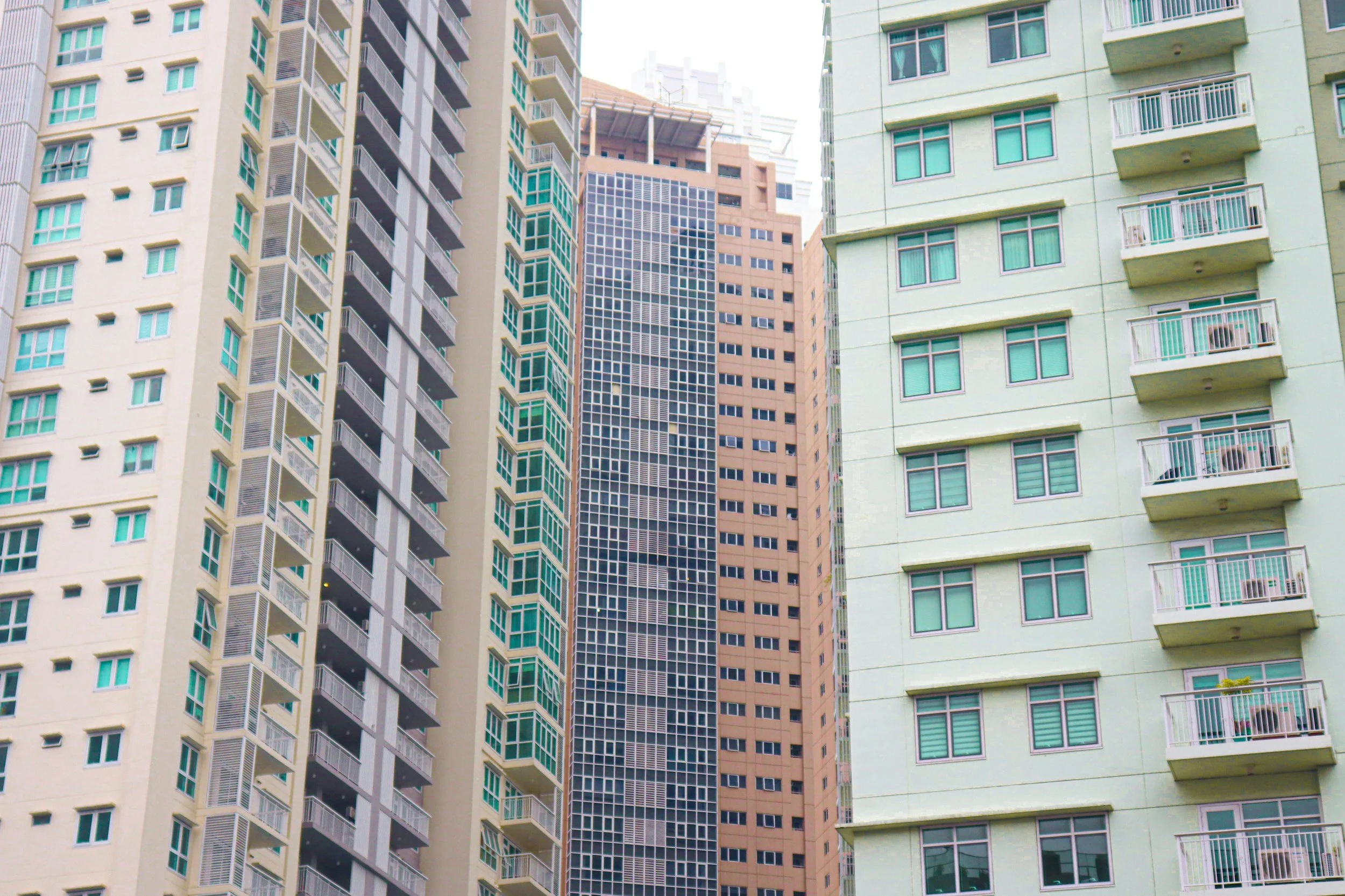
But look underneath the skyline and another story emerges.
Too much inventory. Not enough buyers at today’s prices.
And suddenly, the Philippine condominium market becomes a very different conversation.
The headlines have made the situation sound almost apocalyptic: tens of thousands of unsold units, elevated vacancy and developers pulling back on new projects.
But Casa Alon sees something more nuanced.
This isn’t one market.
It’s a collection of very different markets behaving very differently.
And that distinction may be where the opportunity begins.
The Number That Gets Everyone’s Attention
The headline number is difficult to ignore.
Leechiu Property Consultants reported that Metro Manila’s available condominium stock reached approximately 82,900 units in the second quarter of 2026, a record level. At the same time, actual buying activity hasn’t disappeared. Metro Manila recorded approximately 7,255 condominium take-ups during Q2 2026.
That tells us something important.
Filipinos haven’t stopped wanting condominiums.
They’re simply becoming much more selective about what they’re willing to buy—and what they’re willing to pay.
Colliers similarly describes the market as showing early signs of recovery while warning that high vacancy and oversupply continue to create a fragile environment.
In other words:
The buyer is still in the room.
They’re just sitting down and negotiating.
Metro Manila Isn’t One Market
This is perhaps the most important part of the story.
When we hear “Metro Manila condominium oversupply,” it’s easy to imagine that every tower in every neighborhood is suffering equally.
It isn’t.
The market is becoming increasingly bifurcated.
Some submarkets carry enormous amounts of inventory.
Others remain considerably more resilient.
Colliers identifies areas such as Quezon City, Cubao–New Manila, Pasig and the Manila Bay Area among the locations carrying substantial unsold inventory. Meanwhile, premium markets such as Makati CBD and Fort Bonifacio have demonstrated considerably different dynamics.
And here’s an important clarification:
“Bay Area” does not mean the San Francisco Bay Area.
In Philippine real-estate reports, the Bay Area refers to the Manila Bay-facing condominium submarket of Metro Manila, particularly the Pasay/Parañaque and surrounding Manila Bay corridor.
It became a major development zone during the condominium boom—and later became particularly exposed to the collapse of demand associated with the departure of POGO tenants.
That’s why location matters so much when talking about the so-called condo glut.
The POGO Hangover
For years, parts of Metro Manila’s condominium market benefited from a powerful rental engine:
Philippine Offshore Gaming Operators.
POGO employees and businesses created significant demand for residential units, particularly in areas close to their operations.
Then the landscape changed.
With the government’s ban and the departure of POGO operations, some of those rental markets lost an important source of demand.
Suddenly, towers that had once seemed destined for permanent rental demand had to find a new audience.
And that’s when oversupply becomes much more than a statistic.
It becomes a neighborhood story.
The Market Has Already Started Correcting Itself
Here’s where the story gets more interesting.
The market isn’t sitting still.
Developers have begun changing their behavior.
Colliers reported that Metro Manila’s remaining inventory life fell from a startling 13.4 years at its mid-2025 peak to approximately 6.8 years by Q1 2026. That’s still a considerable amount of inventory—but it is a significant improvement.
Developers have also become much more cautious about launching new projects.
Why build another tower when you haven’t finished selling the towers you already have?
Exactly.
The market is forcing developers to become more disciplined.
And buyers are benefiting.
Suddenly, “Ready for Occupancy” Looks Interesting
One of the most fascinating changes is happening in the ready-for-occupancy market.
A finished condominium is different from a rendering of one.
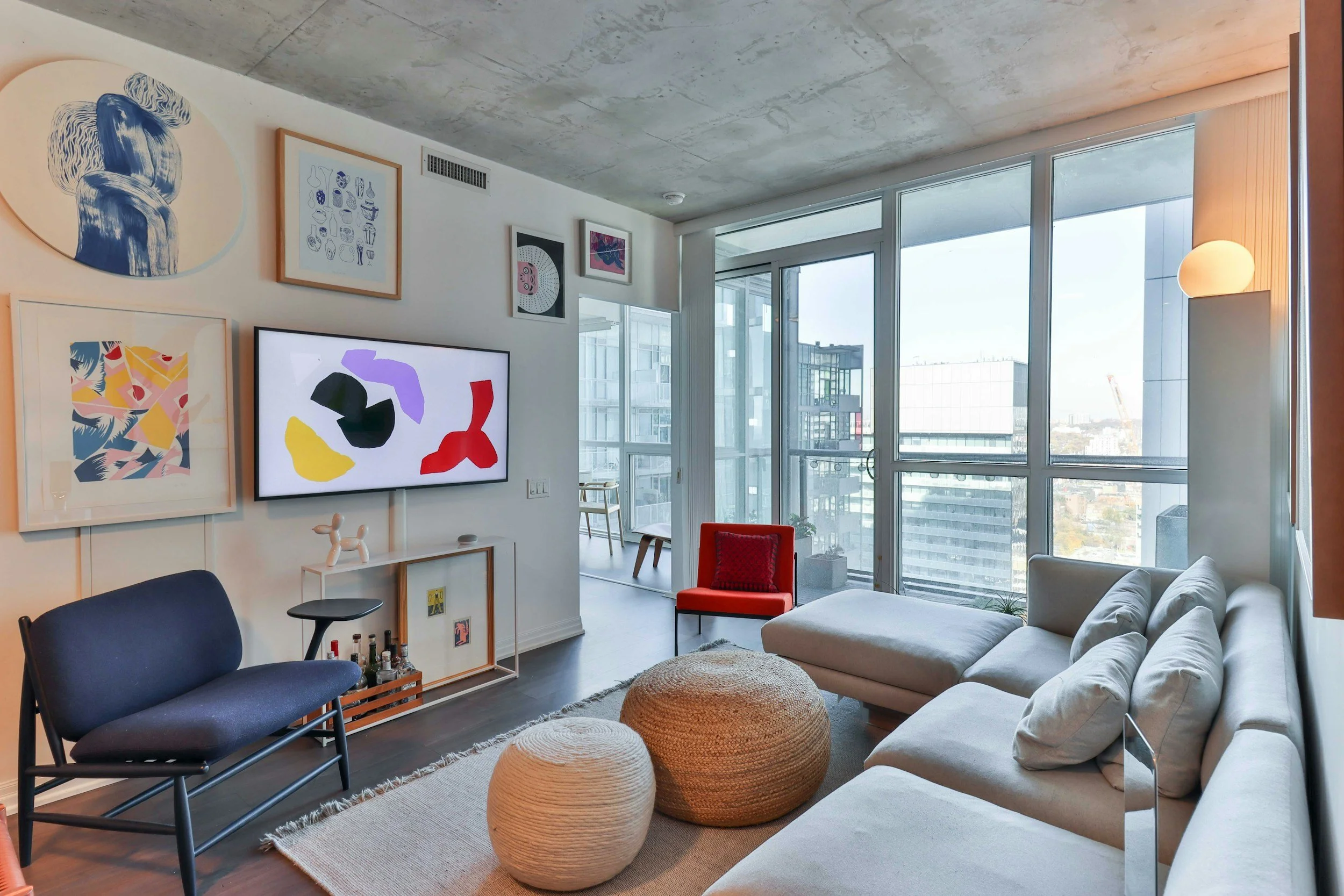
You can walk through it.
Touch the countertop.
Look out the window.
Inspect the view.
Evaluate the building.
And, perhaps most importantly, negotiate.
Leechiu estimates that roughly 40% of the current unsold Metro Manila inventory is already ready for occupancy, while the remaining inventory is still in the preselling pipeline.
That creates a very different conversation between buyer and seller.
Developers are increasingly using discounts, extended payment terms and other incentives to move completed inventory.
The buyer who has liquidity and patience may therefore find opportunities that simply weren’t available during the frenzy years.
But There’s a Catch: Affordability
The Philippines has a massive housing shortage.
So how can a country simultaneously have millions of homes needed and tens of thousands of unsold condominiums?
Because need and affordability are not the same thing.
That’s the heart of the problem.
The people who need housing aren’t necessarily the people who can afford the housing currently being offered.
Mortgage rates remain elevated compared with the pre-pandemic era. Prices in many developments remain disconnected from the purchasing power of average households.
And buyers know it.
So they’re waiting.
Waiting for incentives.
Waiting for better financing.
Waiting for prices to become more realistic.
Waiting for the right unit.
In some cases, they’re simply waiting for the market to blink first.
Then Comes the Peso
For dollar-based buyers, another variable has entered the conversation.
The Philippine peso has recently fallen to record lows against the U.S. dollar, reaching roughly ₱62.60 per U.S. dollar in early September 2026.

For a buyer earning and saving in U.S. dollars, that changes the arithmetic.
A condominium priced competitively in pesos can suddenly look considerably more interesting when translated into dollars.
And this is where Casa Alon sees a potential opportunity.
Not every condominium becomes a bargain simply because the peso weakens.
But a well-located, properly priced property with good fundamentals can become more compelling to a U.S.-dollar-based investor when the exchange rate moves in their favor.
That could include:
U.S.-based Filipinos
OFWs
Filipino-American families
retirees planning a return
international investors
buyers looking for a Philippine second home
The important word is competitively priced.
Currency advantage doesn’t rescue an overpriced property.
It can, however, make a correctly priced property more attractive.
And Then There’s Artificial Intelligence
Just when we thought we had enough variables to consider, another one enters the room.
Artificial intelligence.
The Philippine BPO and IT-BPM industries have long been major drivers of office demand and employment—and therefore indirectly support residential demand.
Leechiu notes that IT-BPM remained a significant contributor to Philippine office demand in 2026.
But the industry is changing.
AI is increasingly capable of handling tasks that once required large numbers of employees.
That doesn’t necessarily mean the BPO industry disappears.
Far from it.
It may evolve.
Higher-value services, technology, AI-enabled operations and global capability centers could create new forms of employment.
But there is a legitimate question that investors should be asking:
What happens to residential demand if employment patterns change?
If AI reduces the number of people required for certain entry-level or repetitive BPO functions, some condominium rental markets that historically depended heavily on BPO workers could feel the effects.
That doesn’t mean an AI-driven residential collapse is inevitable.
It means investors should pay attention.
Because the next chapter of Philippine real estate may be influenced not only by interest rates and supply—but by how the country’s employment engine evolves.
The Luxury Market Is Playing a Different Game
And this brings us back to something Casa Alon has always believed:
Real estate isn’t one-size-fits-all.
A ₱2-million condominium serving an emerging workforce is fundamentally different from a luxury residence in Makati or Fort Bonifacio.

The buyer profiles are different.
The motivations are different.
The economics are different.
The scarcity is different.
And the definition of “value” is different.
That’s why simply looking at the total number of unsold condominium units can be misleading.
The better question is:
Where is the inventory, who is the likely buyer, and does the property actually match what that buyer wants?
What Does This Mean for Buyers?
For buyers, this may be one of the more interesting Philippine condominium markets we’ve seen in years.
But interesting doesn’t mean reckless.
This isn’t a moment to buy simply because someone says:
“It’s discounted.”
It’s a moment to become more sophisticated.
Look at the developer.
Look at the location.
Look at competing inventory.
Look at rental demand.
Look at association dues.
Look at financing.
Look at the building’s actual occupancy.
Look at the surrounding infrastructure.
And most importantly:
Look at the price.
A discount from an inflated asking price isn’t necessarily a bargain.
A properly valued property purchased at the right price can be.
What Does This Mean for Sellers?
This is where the conversation becomes even more important.
If you’re selling a condominium today, you are no longer competing only against other individual sellers.
You’re competing against:
developers.

And developers can offer incentives.
They can stretch payment terms.
They can offer promotions.
They can package furniture.
They can offer discounts.
They can sometimes absorb costs.
So the resale owner needs to answer a difficult question:
Why should someone buy my unit instead of buying directly from the developer?
That’s where presentation, pricing, positioning and marketing become critical.
You can’t simply put a photograph of the living room online and hope the right buyer finds it.
The Casa Alon Perspective
At Casa Alon, we don’t look at Philippine real estate as a collection of buildings.
We look at it as a collection of stories and lifestyles.

A property has a location.
But it also has a reason for existing.
It might be someone’s future retirement home.
A place for an OFW to finally come home.
A pied-à-terre in Manila.
An investment.
A family residence.
Or simply a beautiful place to live.
The challenge in today’s market is not necessarily finding a condominium.
There are plenty of them.
The challenge is identifying the right property at the right price for the right person.
And that’s where we believe thoughtful representation matters.
The Philippine Condo Market Isn’t Dead. It’s Growing Up.
Perhaps that’s the most honest way to describe where we are.
The boom years encouraged developers to build.
The pandemic changed behavior.
The POGO exodus disrupted rental markets.
Higher financing costs changed affordability.
Oversupply gave buyers leverage.
Developers pulled back.
And now artificial intelligence is beginning to raise new questions about employment and future housing demand.
Meanwhile, the peso has created a potentially interesting window for dollar-based buyers.
It’s complicated.
But complicated doesn’t mean hopeless.
It means buyers and sellers need to be smarter.
The Philippine condominium market may not need another frenzy.
It needs balance.
And for those willing to study the numbers, understand the neighborhood, negotiate intelligently and look beyond the glossy brochure, this period of adjustment may eventually prove to be less of a crisis—and more of a reset.
Because sometimes the best opportunities in real estate don’t appear when everyone is buying.
They appear when everyone is asking:
“Is this finally the right time?”
And that’s exactly when Casa Alon believes the conversation becomes interesting.
